RSS Feed

My Mother Has Disappeared

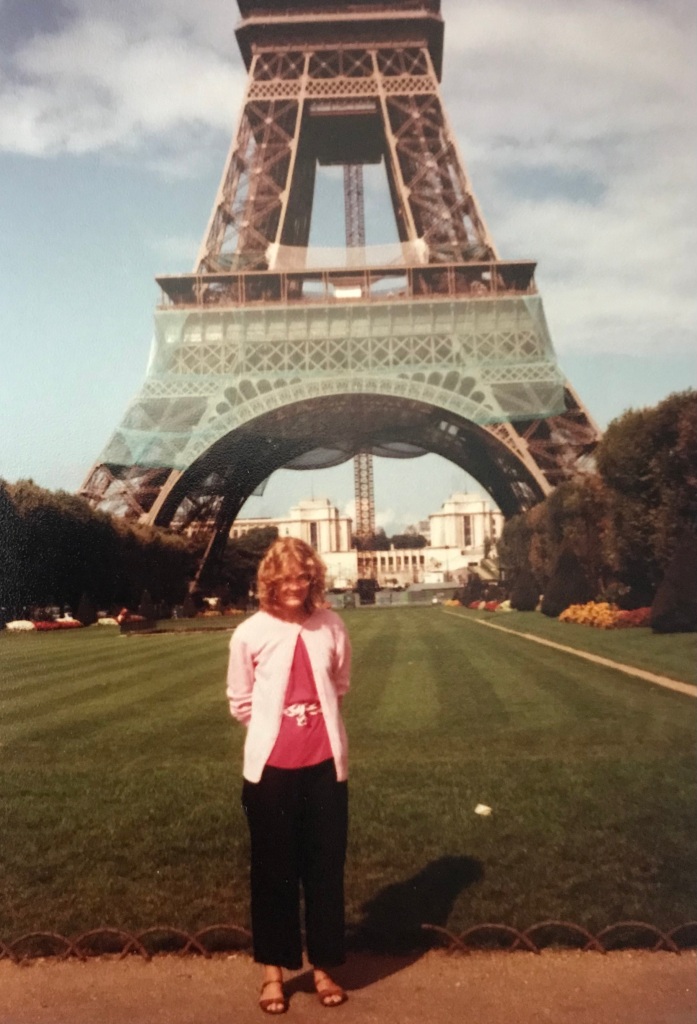
“Ma mère est disparue,” Madame Bonnet said sadly that day in 1984 when I ran into her on the rue Claude de Caen. She lived on the same floor of the apartment building in the 12th arrondissement where I worked as an au pair, taking care of a 3-year-old. The quintessence of French elegance with her beautiful foulard always in place, her bright blue eyes, and her unfailing politeness, Mme. Bonnet seemed to make a point of being kind to me.

She had talked to me about her mother before, who evidently had Alzheimer’s and no longer recognized her. In a common manifestation of Alzheimer’s, Mme. Bonnet’s mother would grow agitated at times. “Elle cri tout le temps,” she reported once (she screams all the time).

As so often happened in the early days that I spent aimlessly drifting around Paris, the subtlety of the language went right by me. I took Mme. Bonnet literally, thinking her mother had wandered away from the nursing home. In my halting French, I think stammered something ineffectual like, “Who is looking for her?” or “I hope you find her soon,” or “Where could she have gone?”

Mme. Bonnet hastened to correct me. “Non, non, non, elle est morte.” (She is dead). Appalled, I tried to offer my condolences as well as I could, mortified by my failure to grasp her meaning right away.

In the run-up to Mother’s Day this week, I’ve been thinking about that sentence: “Ma mère est disparue.” The very French mix of melodrama and poetry in the euphemism softens the harshness of death just a bit, as if disappearing ruptures our grasp less brutally somehow.

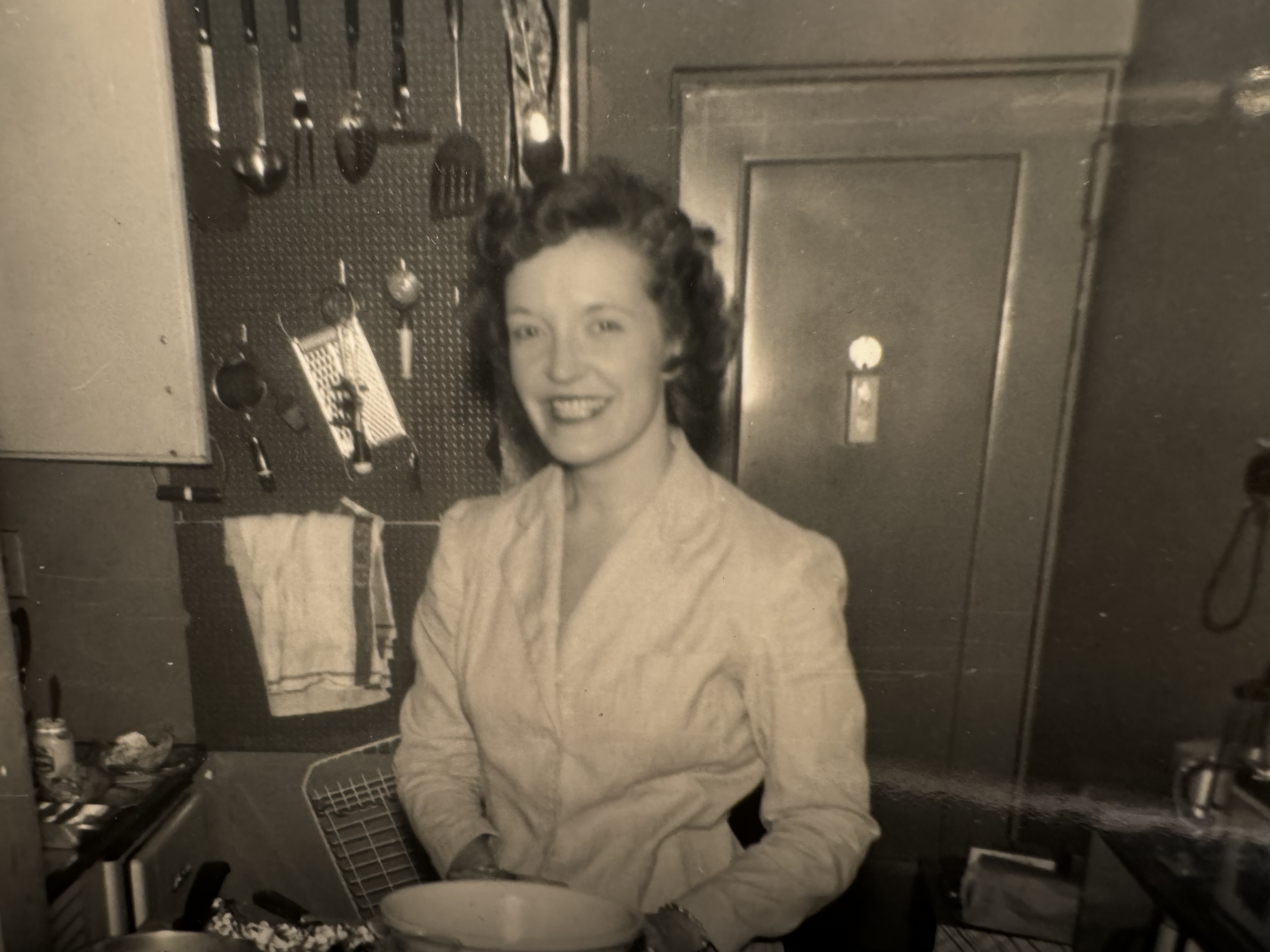
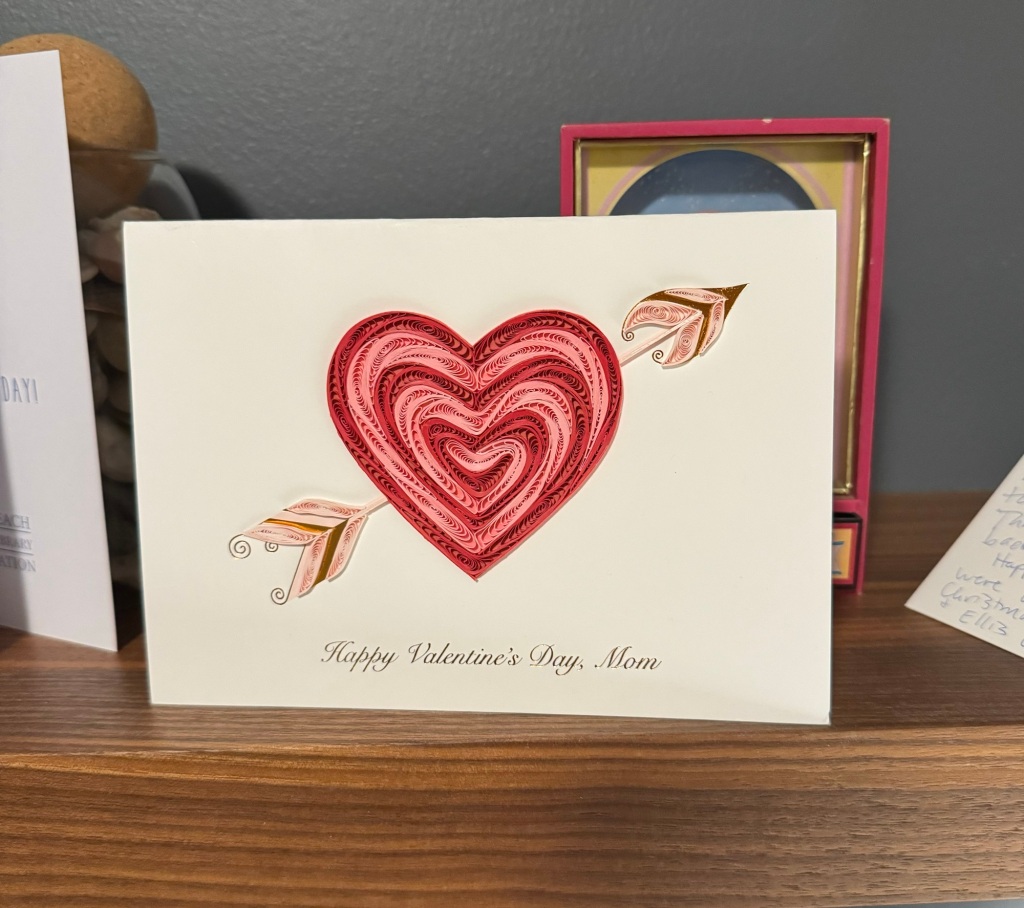
My mother “disappeared” eight years ago, and while the years have eased the terrible, heavy grief, I find that every Mother’s Day I miss her more than usual. I tend to avert my eyes from the racks of Mother’s Day cards and I fairly cringe at the nonstop, braying ads: “Don’t forget about Mom!”

Yet in many ways, she hasn’t disappeared at all. On a very hot day, I sometimes detect the faintest trace of her favorite perfume, Angel, in her car, which she sold to me for the extravagant sum of $1 after she became too ill to drive, and which I still drive. When I hear accounts of presidential campaign follies involving dogs being eaten or strapped to car tops, I picture her rattling her newspaper in annoyance and making a noise of mild disgust. And I sometimes sense a glimmer of the pride I am certain she would have in her only grandson, our 16-year-old who occasionally displays a flash of her wit.

Vanished from sight, her presence still has imminence, the echoes of her voice and laughter still resonate, and the generosity and thoughtfulness she brought to our lives continue to be a blessing.

The Daily Double

Posted on

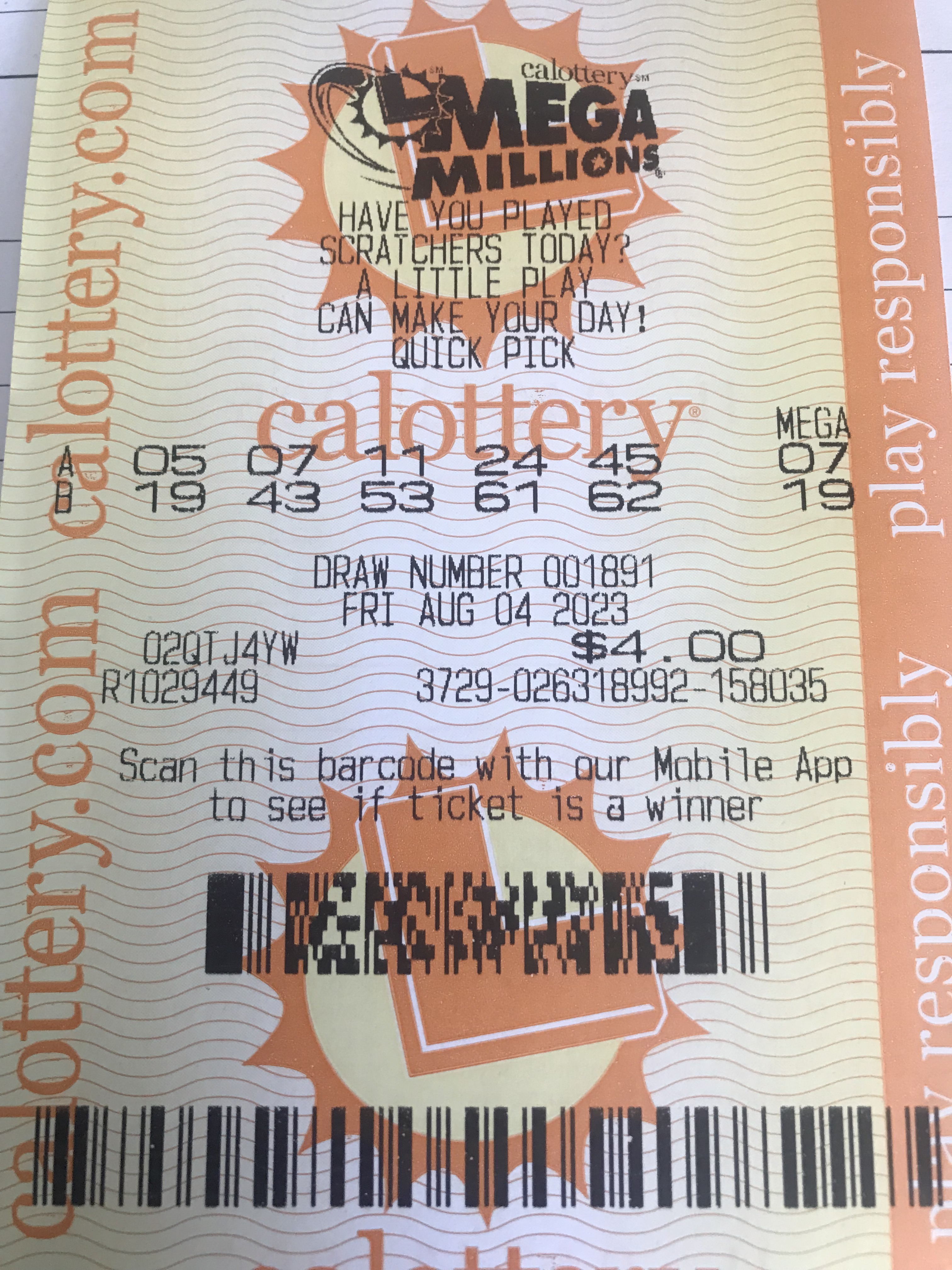
ToImagemorrow is Derby Day. I won’t be in the infield at Churchill Downs sporting an outsized hat, and I won’t swill any mint juleps from sterling cups, but I’ll watch the Derby and scream at the television as I always do, as if I had big money on the horses, which I never do.

I grew up in Kentucky, where horseracing occupies considerable importance, consuming people’s time, evaporating their money, and dominating their conversation. Both my parents and grandparents loved going to the track, and my father took me many times when I was a child. A day at the races was an important outing, requiring a hat and white gloves. Most of the lessons I learned from my father were sorry ones, but he did teach me two very important things: how to recite the Greek alphabet and how to read a racing form.

I know that animal rights activists condemn what they see as the cruelty of horseracing, but I confess that I enjoy the spectacle and the thrill of it all, the jockeys’ vivid silks, the announcer’s staccato call, the thundering hooves, and the crowd roaring with excitement and groaning in despair.

Long after I left Kentucky and had only distant and infrequent contact with my father, his rare phone calls were generally to announce that there was an important stakes or claiming race at either Hollywood Park or Santa Anita. Although he still lived in Kentucky, he followed horseracing all over the country, and knew which horses were racing where, which jockey was riding them, and whether their trainers’ streak of luck had been good or bad.

Was I going?, he’d ask. “No,” I’d say each time.  “I don’t go to the track much.” In fact I didn’t go at all, and hadn’t gone to the races since I’d been with him as a little girl.

Then my friends Ann, Kathy, and I decided to go to Del Mar one weekend on a lark.  This time I made the call, something I almost never did. “Dad, I’m going to Del Mar tomorrow. Do you want me to bet on anything for you?” He didn’t have any specific horses or jockeys in mind for that day in Del Mar, he told me. “But give me 7 and 2 in the daily double.”  He was 72 at the time, so that was probably a reflexively hopeful bet.

Astonishingly, it turned out to be a lucky one. The number 7 horse won the first race. When the horses bolted out of the starting gate in the second race, my heart started pounding. By some miracle, the number 2 horse streaked across the finish line first. Because my surrogate bet for my father had been a stingy and cautious one, I think the winnings were a modest $42 or so, but I screamed as if I were about to cash in on millions.

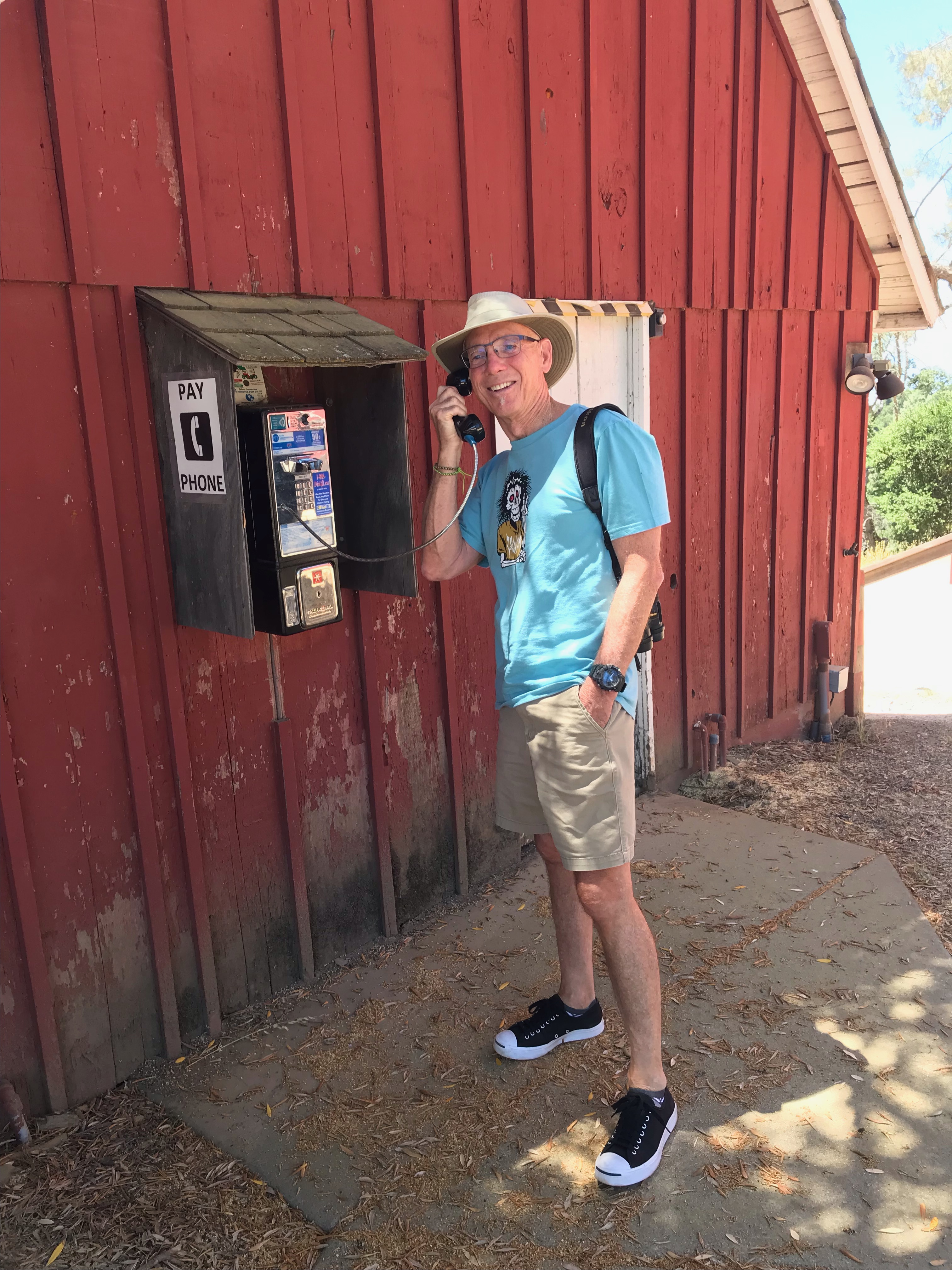
I went straight to a phone booth—remember those?—and called my father, breathless and practically shouting, “You won!” I’ll send you your winnings, I told him, and he was quiet for a moment.  “You keep it,” he said.

I wish I could remember the names of those two horses, 7 and 2 in the first and second races that day, but I don’t. As I search my memory I picture my father frowning in disapproval—he’d never let a detail like that slip. I don’t remember what I did with the $42, either, but now I wish I’d made some kind of important purchase with that money, something I’d still have and remember. My father wasn’t able to give me much in his turbulent, troubled life, but the vividness of that day’s surge of excitement at winning the daily double has endured.


Vous Avez du Feu?

I’m going to have to start smoking. That will be the only way I’ll ever use all these matches. In my ongoing effort to wrangle and organize years’ worth of accumulated stuff, I found a shoebox filled with matchbooks I’d collected decades ago, and stored away.

I don’t use scented candles or incense, and David and I decommissioned our fireplace a year ago after we decided that as much as we loved it, it was an environmental disaster. Funny, I’d forgotten about these matches, and during the winters when we used the fireplace, we were always hunting for matches because we never kept them around.

Unlike other exercises in groveling through boxes of letters, cards, and mementos that make me weepy, it was entertaining to look at these relics from another age. In my local bank, a sign sternly warns customers not to conduct cellphone conversations while transacting business, which is why the matches from First National Bank in Bloomington made me laugh. You can’t have a cellphone in the bank now, so it seems hard to remember a day when you could light up while waiting to deposit your paycheck, another ancient and long-gone ritual.

The Burger King matches amused me, too. Now fast-food joints just kill you with pink slime. Back in the good old days, they’d help you finish the job by encouraging you to smoke, too!

The velveteen “Patrice and Harold” wedding souvenir is a quaint keepsake from a New Jersey nuptials I attended 35 years ago with an old friend—Harold was his cousin. I remember little about the occasion other than scrambling to buy a dress to wear to it. I rarely wore a dress in those days, but I found an inexpensive blue and green rayon number at S. Klein, manufactured by “Miz Shugah.”  My friend tells me that to this day, Patrice and Harold are still happily married.

The “Andy and Lynn” wedding matchbox from 1992 has a less fortunate story. A young couple who lived in the apartment two doors down from mine at the time in Seal Beach, they vanished not long after the wedding, leaving behind rumors of bad checks, sobriety lapses, and other troubles. I liked them both, even though they had a slightly reckless, dangerous air.

I lent Lynn my heirloom diamond earrings to wear on her wedding day. The ceremony was on the beach next to the Seal Beach pier, and both she and Andy wore Uggs. I worried briefly that Lynn might disappear with the baubles, but to her credit, she brought them back and thanked me after their short honeymoon, a driving trip up the coast in a red Mercedes borrowed from our mutual landlord. Twenty years later, I suspect that this matchbook might be all that’s left of that marriage.

With a few staid exceptions, most of the places where I collected the matchbooks have long since gone out of business, like the Miramar By The Sea in Montecito, near Santa Barbara. The Miramar was a collection of seaside cottages built circa 1910, known for the blue roofs you could spot from a distance. All the swells stayed there at one time or another—Hollywood stars, U.S. presidents, and business tycoons. The site is a fenced-off ruin now, most of the cottages razed, a billionaire developer’s plan to build a five-star luxury hotel on the historic site having stalled out years ago.

My first wedding reception took place in one of the blue-roofed Miramar beach cottages in 1985. It was an easy, relaxed occasion, like a party in someone’s house, with a fire in the fireplace, the ocean murmuring outside, and a small group of closest family and friends laughing, drinking Champagne, and eating hors d’oeuvres and wedding cake inside on that October evening.  No “Treacy and Mark” matches commemorate the start of a marriage which, despite its brevity and its devastating end, was filled with sweetness.

Before I came to California, I spent three years in Paris scratching out a living any way I could—cleaning houses, taking care of kids, giving English lessons. About midway during my time there, a high school friend came to visit. He was touring Europe with his backpack, as a lot of us did in those days. His French was very limited, but he knew how to ask, “Vous avez du feu?” (Do you have a light?).

Like many Americans, he struggled with the proper French accent and pronounced “feu” as “foo” instead of  “fehh.”  Any time he was at a loss for words he’d pipe up, “Vooz avay doo foo?, apropos of nothing, and we’d laugh.

Finding all the “foo” in this box brought back memories of swanning around in places like the Plaza, Chez Cary, or Paris for that matter, with very little money and only a cheap dress. These pocketed matches seem a bit like lucky charms now, talismans of a time when you could have fun just about anywhere, even a place where you didn’t belong.

Hallmark Hell

Greeting cards are a fading tradition, I think. A friend and I recently talked about how difficult it is to find a nice card these days — so many of them are edgy and sarcastic, with references to getting drunk on your birthday, the size of your rear, or other uncouth references to bodily functions. The discussion reminded me of this piece, which I wrote long ago, describing another kind of greeting card dilemma.

I’ve just come from the card store where I found myself walking around sobbing openly.  It wasn’t because it’s the day before Valentine’s Day and no one will send me a Valentine (even though my husband won’t, but that’s a subject for another day).

Feeling pained among the cards isn’t a new thing for me.  Father’s Day used to be the worst, when sometimes I’d spend more than an hour looking at every single card, growing more and more anxious, trying to find one suitable for my intractable alcoholic father.  Somehow the ones that said “Dad, You’re Always There for Me” or “For the World’s Greatest Dad” didn’t quite seem to fit.  And there were never any that said, “You managed to go six months without DTs — all riiiiight!” Or “To Dad:  At Least You Didn’t Beat or Molest Us.”  A loving cup or trophy would have been the perfect visual for either of those.

Finally I’d settle on some stiff little greeting that said something like “Thinking of You on Father’s Day.” All that was left unsaid in that card could fill a moving van.  Strange, but after my father died I didn’t miss him at all, really, but I did feel wistful about those searches for a card.

Then there are the cards that say “To My Sister” which still tear my heart out, 16 years after my sister died of cancer at 33.  She died in February 1988, and the Valentine I bought for her that year, but never gave her because she died the week before, is still in my drawer.

Today I was looking for a card to send to my in-laws’ next-door neighbor, a woman I’ve gotten to know in the 11 years I’ve been married and visiting their home in San Diego.  Dolores has ALS, and is deteriorating rapidly only a few months after diagnosis.  My mother-in-law was here over the weekend, and told me she can no longer understand when Dolores speaks.  She had to have a feeding tube put in last week, because she can no longer swallow.

My mother- and father-in-law seemed frustrated, almost angry, when they talked about her, focusing on the fact that she “keeps eating even though she knows she’s not supposed to.”  “She almost choked on a noodle last week,” my mother-in-law said in apparent exasperation.

I heard myself say to them sharply, “Well, I understand why she keeps eating.  Can you imagine accepting that you can never eat again?  Eating is one of life’s greatest pleasures.  How would you like that pleasure being exchanged for grey, viscous liquid pumped in through a tube?”  Then I stopped because I was feeling my outrage gather, at them for what I perceived as insensitivity, at the cruelty of such a devastating disease.

None of the cards I looked at for Dolores seemed to fit, either.  “Get Well Soon” definitely won’t do it, because there’s no way she is going to pull out of this one.  The “Encouragement” or “Cope” section had cavity-inducing cards with little ditties about hope, taking the first step, or else had a jocular, rah-rah, you-can-do-it kind of tone.

I don’t know Dolores very well, but in our brief encounters over the years her kindness came through. She regularly gave us big bags of wonderful oranges from her trees.  She often had a small surprise for our son — a tiny lunchbox with trains on it, or a seeming piece of cardboard that, soaked in water, bloomed into a washcloth with Pooh and Eeyore on it.  If we ever brought something for her — chocolate or a Christmas ornament at the holidays, she would write a long thank-you note in beautiful, curling script.

I finally found a card that said, “thinking of you with love.”  It would have to do.  I went to pay for it, tears streaming down my face.  The woman at the cash register has seen all this before, of course; I’m not the only person who has had a basket-case incident in her store.

Like those long-ago cards sent to my father, this one leaves much unsaid, too, although for different reasons and in different ways.

Of Homework and Valentines

Dug this one out of the archives. The 8-y.o. is 16 now, and looms over us at 6’4″.

It’s Valentine’s Day.  This has always been my favorite holiday, although I liked it better when it was more understated, with a few cards and those wonderful, chalky conversation hearts.  The day is so freighted now, with expectations of diamonds and dinners and roses.  Engagements are made and broken, and apparently more couples break up around Valentine’s Day than at any other time of year.

I have a husband who claims he doesn’t believe in Valentine’s Day, that it is a “made up, Hallmark holiday.”  That’s historically inaccurate, of course; the martyr Valentine wrote to his love from prison and signed it, “from your Valentine” hundreds of years ago, long before Hallmark was around with schmaltzy cards.

We have an 8-year-old son who took Valentines to school yesterday.  He was very excited about it, and as he was signing them the night before I was telling him, in geezer-that-I-am fashion, that Valentines just aren’t the same.  They are so small, and the paper is so thin and cheesy, and there no envelopes – they are crummy little fold-over things.  Most annoying is the fact that it’s impossible to find Valentines for children that don’t advertise merchandise or a movie.

I showed Christopher two old Valentines that I’ve had forever in a folder where I keep mementoes.  They must be at least 50 years old. One shows a couple sitting on a couch (smoking and eating chocolate, I’m afraid) with a caption that says, “Next to myself, that’s what I’d like best.”  The paper is thick and shiny and the drawing careful and intricate.  The other vintage Valentine is heart-shaped, cut with pinking shears.  It shows a boy wearing a bow-tie with hearts on it.  He’s under an umbrella that pops up and says “Be My Valentine.”  The caption reads, “I’d Not Care For Rain Or Snow If I Could Always Be Your Beau.”  Indeed.  To my son’s credit, although he was awash in Scooby Doo and Finding Nemo advertisements er…. Valentines, he was suitably impressed.

Several years ago my sister-in-law called me on Valentine’s Day, practically spitting and choking into the phone, incensed that her then-husband hadn’t gotten her anything for Valentine’s Day.  “What did David get you,” she demanded.  “Nothing.” I said.  A long silence.  “Is that OK?”  I explained to her that sure, I’d gladly accept some chocolate or flowers, but that I knew going into the marriage that David isn’t a hearts-and-flowers kind of guy, and if I wanted that, I needed to have married someone else.  “That’s bullshit,” she pronounced.  Sadly, her marriage ended.  I feel lucky to still be married, even sans Valentines.

Although Valentine-impaired, my husband is a marvelous cook.  He said he’d like to cook a nice dinner on Valentine’s Day, and that will be great.  All week he has said to me, “Now that’s going to be our Valentine, right?”  Read:  Don’t expect a card from me.

Yesterday our son was talking about going with Dad to get a Valentine for me, and I told him that Dad was going to cook dinner, and that was his Valentine.  There was a moment of silence again, not unlike the one during that call with my sister-in-law.  “That’s like letting Stephen go to the treasure box when he does his homework,” he said.  Stephen is a classmate who evidently never does his homework, from what my son tells me.  One day he happened to bring his homework in, completed, and the teacher let him go to the “treasure box” as a reward.  Normally this privilege is reserved for excellent behavior or some other achievement out of the ordinary.

My son was very irate about the injustice of a treasure box visit for a one-time homework shot, when all the other schlmazels in the class turn in their homework regularly for no reward.  “It’s true,” I agreed.  “But maybe the teacher is really trying to encourage him.”  He wasn’t convinced.  Then yesterday, he brought up the homework caper again, comparing it to my husband’s Valentine cook-up.  “Daddy never cooks dinner,” he said.  “Having that count as a Valentine is the same as going to the treasure box for doing your homework.”

“Never mind,” I told him.  “But when you grow up, you be sure to buy your wife a Valentine.”  “I’ll try to find one like the old ones you have,” he said.  I picture a happy wife in the year 2025 or so, who won’t have a care in the world, especially not for rain or snow, because my son is her beau.

February 2004

Take a Letter, Miss Colbert

            One of my resolutions for 2012 is to redo the room euphemistically called “my office.” I do work in here, many hours a day. But the current state of the room merits a more appropriate title:  “Crazy Hoarder’s Space” or “Repository for Everyone’s Junk.”

            I’m replacing the ratty window blinds with shutters, so that I can let some light in. The man from the shutter company just came to take the measurements as well as a check for what seems like a shocking amount of money, but I’m on a tear now. Next will be to paint over the walls, now an unfortunate celery color, and cover them with something more soothing.

            This isn’t a large room, but along with running a business in here, the room serves as the landing spot for everything, it seems. Anything that no one else in the family wants to store but can’t quite get rid of gets dropped off in here: employment, tax, and medical records, discarded costumes and art supplies, warranties for every appliance and toy ever purchased, bills, CDs, candles, pencil stubs, holy cards, programs from LA Philharmonic performances and funerals, you name it. In sifting through desk drawers, closet shelves, and file cabinets to try to purge some of this detritus, I’ve come across old photos and letters, and quaint artifacts such as a sheaf of carbon paper and a steno pad!

            Sometimes when asked what I do for a living, I’m tempted to say, “I type shit up for people,” because saying “I’m a writer” seems too grandiose a description. I’ve long since learned that  moving across the country or to another continent doesn’t change anything, so I should know that metaphorically changing the wallpaper in the office won’t make me a different kind of writer, or a more important or successful one.

            But for this year, I’ve decided that writing in a jumbled, messy room won’t do anymore. If you need to make a carbon copy of something, let me know. But anyone wanting to stash some unwanted roadmap, Dodger bobblehead, or rarely played flute, keep out!


             Image


Charmed, I’m Sure

Image            I’ve been wearing this charm bracelet for the last few days. I put it on only around Christmas time, because it’s so noisy and conspicuous. At Christmas time I feel like I can get away with it, because it sounds a bit like jingle bells, or maybe Jacob Marley’s ghost rattling his chain.

            The charms seem to mix hedonism and religious sentiment: St. Christopher bearing the Christ Child aloft and a miniature Nativity crèche are right there with a San Francisco cable car spinning on its own turntable, a sailboat, and a tiny replica of a Monterey pine, a souvenir of a trip to Carmel. There’s a gold whistle that gives a surprisingly loud shriek, too.

            I don’t know the stories behind these charms. The bracelet belonged to my aunt Janet, my mother’s older sister. Their relationship was that mix of affection and irritation that sisters often have. Sometimes they’d really mix it up like teenagers, even when they were both in their 80s. These occasional bouts usually involved politics—the Democrat sister sparring with the Republican. “I’m never talking to her again,” my mother would declare, and I’d laugh, knowing this would last only a few days.

            When my mother became too ill to live on her own anymore and finally conceded that she needed to move to California, Janet was supposed to come and say goodbye. She hadn’t visited my mother at all in the year-and-a-half that she had been ill, although they lived only 45 minutes apart in New Jersey and used to see each other frequently. I suspect this was some unspoken agreement between them—one sister not wanting to be seen looking ill and the other not quite able to face the reality, either.

            But Janet called to say that she couldn’t come on that last day after all, claiming she had a bad cold. The feigned illness avoided acknowledging that if she and my mother were to see each other that day, it would be the last time. “I won’t say goodbye,” I heard my mother saying bravely on the phone. “I’ll just say, ‘See you next time.’”

            Janet’s charm bracelet came in the mail that day instead. She’d told my mother that she wanted her to have it. Heavy and pure gold, with charms added for birthdays and anniversaries for nearly 60 years, it was probably the most precious thing she owned. My mother never had an occasion to wear it, but I think she understood all that was left unsaid with this gift.

            As I jingle around noisily with it for a few days every year, feeling its heft, I think about sisterly fondness, sisterly spats, and inarticulate kinds of love.


It’s Fruitcake Weather

      When Christopher was little, I used to read Truman Capote’s “A Christmas Memory” aloud to him every year around this time, in the weeks before Thanksgiving. It’s about fruitcake, and love, and loss. I made another fruitcake today. Here is an essay I wrote two years ago after I made a fruitcake for the first time.

      Today I did something many would consider unpardonable: made a fruitcake. Now it has to “cure” until Christmas — it’s wrapped in whiskey-soaked tea towels. I have no idea what it will look or taste like by Christmas. Either we’ll have a new doorstop or I’ll eat the whole thing myself because no one else can abide fruitcake.
     I don’t know what possessed me to take on this complicated baking project. I used my grandmother’s recipe, which must be at least 100 years old. I’ve never made this cake. I had to interpret some of the directions — how much flour is in a pound? Sugar? What is a “slow oven?” How stiff should the egg whites be beaten? And the directions told me to put the fruitcake on an “asbestos mat” in the oven, so I had to scratch that, of course.
     My grandmother was evidently famous for her fruitcake. I never knew her or ate her fruitcake — she died before I was born. I have her red hair but none of her artistic talent. I guess I should say I “had” her red hair — that, like the bloom of my youth, has long since faded.
     For some reason, and I wish I hadn’t now, I copied her recipe onto an index card and tossed the original, which I now vaguely recall as a typewritten sheet of onionskin paper. This was way back in the 70s. I remember sitting in my mother’s kitchen and copying recipes she’d clipped or kept onto cards, transforming what I thought was a messy pile into a tidy, indexed box. In those days, I was always trying to impose some kind of superficial order over chaos, and maybe that’s what I thought was doing then.
     There were many signs from God that I shouldn’t make this fruitcake. Yesterday I was about to get started when the doorbell rang. It was Roberto, my neighbor. He asked if I’d watch his younger son for a while so he could take his oldest to soccer game — his wife was having hair done.
     The youngest had the flu, he said. I repeated slowly, “He has the flu?” hoping he’d get the hint. But he didn’t. I couldn’t think quickly enough to say no, I can’t possibly — my fruitcake will be at a very delicate point. So I went over and sat with Gabriel for a while, trying not to breathe or touch anything. I was there only a short time, but just long enough to make it too late to start fruitcake.
     This morning I thought I’d get an early start — making a fruitcake takes a while, and then it bakes for 3-1/2 hours! I suddenly realized that the pound of raisins I bought wouldn’t work. They were dark raisins, and of course you use golden raisins in fruitcake. The recipe just said raisins, and I didn’t stop to think about it. So I went to the farmer’s market and came back with my pound of golden raisins.
     Then I discovered that somehow, the candied pineapple I was sure I’d bought was nowhere to be found. Another trip, this time to Trader Joe’s, but the only pineapple there is coated in chili powder and that’s a bit too “fusion” for me. So on to the supermarket.
     When I got back and began to assemble the rest of the ingredients, I saw that what I thought was a 5-pound bag of sugar in my cupboard was really flour. Did I mention that I don’t bake much? Back to the store again. By this time I was feeling irritated with the whole project.
     I had lots of help and support from the family with the cake. David poured himself a little snort of the whiskey and said it’s just fine. At one point Christopher came in and looked skeptically at the bowl of fruit and nuts that will be folded into the batter. “Is that lunch?” he asked. “No,” I said with some asperity, “It’s going to be fruitcake.” He looked at it again. “With chicken in it?” I patiently explained, as one would to someone with very little sense, that those were dates, not pieces of chicken. I worried briefly about how he’s going to make it in this world, unable to distinguish dates from chicken, and thinking that fruitcake could include poultry.
     I poured the batter into a tube pan that belonged to David’s great-aunt Marie. She died in 2005 after a long struggle with Alzheimer’s. She, like my grandmother, was famous for her baked goods and I had the pleasure of eating lots of her cookies and pies. I’ve never used her pan, and as I rinsed it I saw just a few crumbs from what must have been a long-ago angel food cake she made.
     There was a mix of satisfaction and wistfulness in making this cake. Its fits and starts gave me time to appreciate how much time and effort went into these seasonal fruitcakes that were given as gifts decades ago. There was a certain sadness in remembering Marie, and in recalling my 17-year-old self, who believed that an orderly recipe system could somehow solve much larger problems. Stopping to sit with a flu-stricken child gave me a chance to be neighborly, much as one might have been in leaving a fruitcake, heavy with nuts and spirits, on someone’s doorstep.

Inviting the Combatants to Dance

A week of swings: withering sun one day, rain and bluster the next. Teen who is humorous and agreeable one minute, snarling and argumentative the next.

            I wanted to make gingerbread, and leafed idly through cookbooks that belonged to my husband’s great aunt, Marie. Once a zaftig, energetic woman famous for her candied yams every Thanksgiving and her red and green Jell-O salads, she died in 2005 from Alzheimer’s, thin, remote, subsisting on Ensure.

            I’ve been editing articles this week that warn against “emotional eating” during the holidays. “Emotional eating” sounds almost refined, very different from the urge to stuff something soft, warm, sweet and comforting in your mouth because it feels so much better than anything else in your life at the moment.

            I have a standard gingerbread recipe I’ve used for years, but this morning I decided to look for a different formula, feeling vaguely dissatisfied with everything, I guess.  Lost in the cookbooks, a form of emotional eating, I never did get the gingerbread made. Marie wasn’t a “Mastering the Art of French Cooking” kind of woman; she favored the Betty Crocker, Sunset Magazine, and Pillsbury Bake-Off schools of cuisine. 

            I love the recipe titles, quaint and sometimes queasy reminders of another era: Dandy Candy Cupcakes, Tomato Paste Salad, Deviled Brussels Sprouts, Dreambrosia Fudge Cake, Liver with Green Onion Sauce. These books go beyond explaining how to cook, though. This paragraph on “Caring for Company” caught my eye:

Keep an ear peeled for argument—especially if your guests don’t know each other very well. If you’re all old friends and you know that Fred and Larry have fought the battle of the last election every week for a year, ignore it. But if you’ve brought people together for the first time and voices begin to rise over politics, religion or any other controversial subject, create a distraction. Turn on the phonograph and invite one of the combatants to dance with you. Solicit advice on what you should do about the zinnia bed or the curtains in the children’s room. Do anything that will separate the antagonists, conversationally and physically.

            There was a time when I would have read this paragraph with barely concealed fury at the idea that only Fred and Larry would talk about politics, and women should natter on about zinnias and curtains to try to keep peace. Slouching toward my mid-50s, I often joke to my young women colleagues that I’m an aging and bitter feminist, but today I read this with a certain kind of sorrow. The art of being polite and kind to each other seems lost.  Civility is outdated, like letter writing and music from a phonograph. Worse, it’s become downright unfashionable, like serving a “Molded Celery Root Ring Filled with Creamed Seafood.”

            It’s nothing new that our national conversation on politics is filled with invective, but we seemed to have reached a particular low now. I wonder if anyone has tried having a nice chat about the zinnias with, say, the likes of John Boehner, Laura Ingraham, or Michele Bachmann lately?  Inviting the combatants to dance could steer us toward a dialogue where opposing views might actually be heard, considered, and respected.

In Short Supply

Isn’t it always the way? I wrote this churlish essay five years ago. Now that my services are no longer required for procuring school supplies, I kind of miss the annual ritual.


In Plan B: Further Thoughts on Faith, Anne Lamott writes with great wit and humor about turning into a “menopause death crone” at age 49, my age exactly. She describes the descent: from likeable and lighthearted person into harridan hell.

I, too, have made the horrible morph into MDC. Right now, one of the chief reasons for feeling and acting like a death crone: school supplies. At 49, I have a son about to enter 6th grade. OK, I practically gave birth in the geriatric ward, but that’s another story.

The one-page, single-space list intones that every 6th grade student must have four binders, one each for Math, Science, Social Studies, and Language Arts, each with a set of 5-tab index dividers for notes, lab work, corrected papers, homework, tests, and quizzes. The size of the binder is specified, and whether it is to be hard or flexible.

There must also be four composition books: Religion, English, Reading Journal, and Literature. My head starts to spin: how do these kids keep track of when to use the Language Arts binder vs. the English composition book?

Also compulsory: broad markers, thin markers, colored pencils, crayons, a dozen red pens, the brand of which is specified. Is the teacher anticipating a flood of mistakes? Does he own shares in the red pen company?  And why in the world would my kid be coloring in 6th grade? But this is not all: glue and glue sticks, mechanical and woodcase pencils, tissues, a scientific calculator, scissors, blue pens, paper, pencil box, sharpener.

I hear myself snarling at my son, crone-style, to go in his room and find his old sets of crayons and markers. At Staples, I rifle through stacks of binders feeling vaguely homicidal because there are no more 1-1/2-inch binders, the required size, and I can’t face the prospect of elbowing my way through the crowds in Target or Wal-Mart. Shopping on Christmas Eve?  A lark compared to this.

My son looks somberly at the box of pencils when we get home and dump the supplies on the dining room table to try to sort, label, and organize it all. I have bought Medium pencils, 2 and 5/10, not #2, the mandatory type. They’ll have to do, I say crisply, momentarily pleased with myself for not screaming that a bloody pencil is a bloody pencil.

What’s behind this gluttony for supplies?  Whose idea was it and why do parents go along with it passively? Has anyone considered the environmental impact of hundreds of thousands of spent plastic pens and empty glue sticks in the landfill? And, if we’re supposedly grooming children for success, I defy anyone to identify a single CEO who bumbles around with four binders, four composition books, and a dozen red pens. Despite all this stuff, our kids don’t appear to be getting any smarter, as recently plummeting SAT scores indicate.

My surliness about the school supply list is really nostalgia for my own school days and now-distant youth: the single binder, bound in blue denim with a section for Math, Science, Social Studies, and English. A sheaf of notebook paper. That was it. Any old pencil or pen would do. Less to keep track of.

My son will lug two huge shopping bags full of supplies to school on the first day. Thankfully, he doesn’t seem nearly as weighed down by them as I do. Still, I wish he could march off to 6th grade with a single binder tucked under his arm — no shopping bags, no backpack, and certainly no rolling suitcase like some students lumber along with.

There’s hope, though. Unencumbered school days might make a comeback — we’ll see a legion of kids toting only a single blue binder. And if that can happen, I just might change back into the nice person I used to be.

September 2006

Follow

Get every new post delivered to your Inbox.